
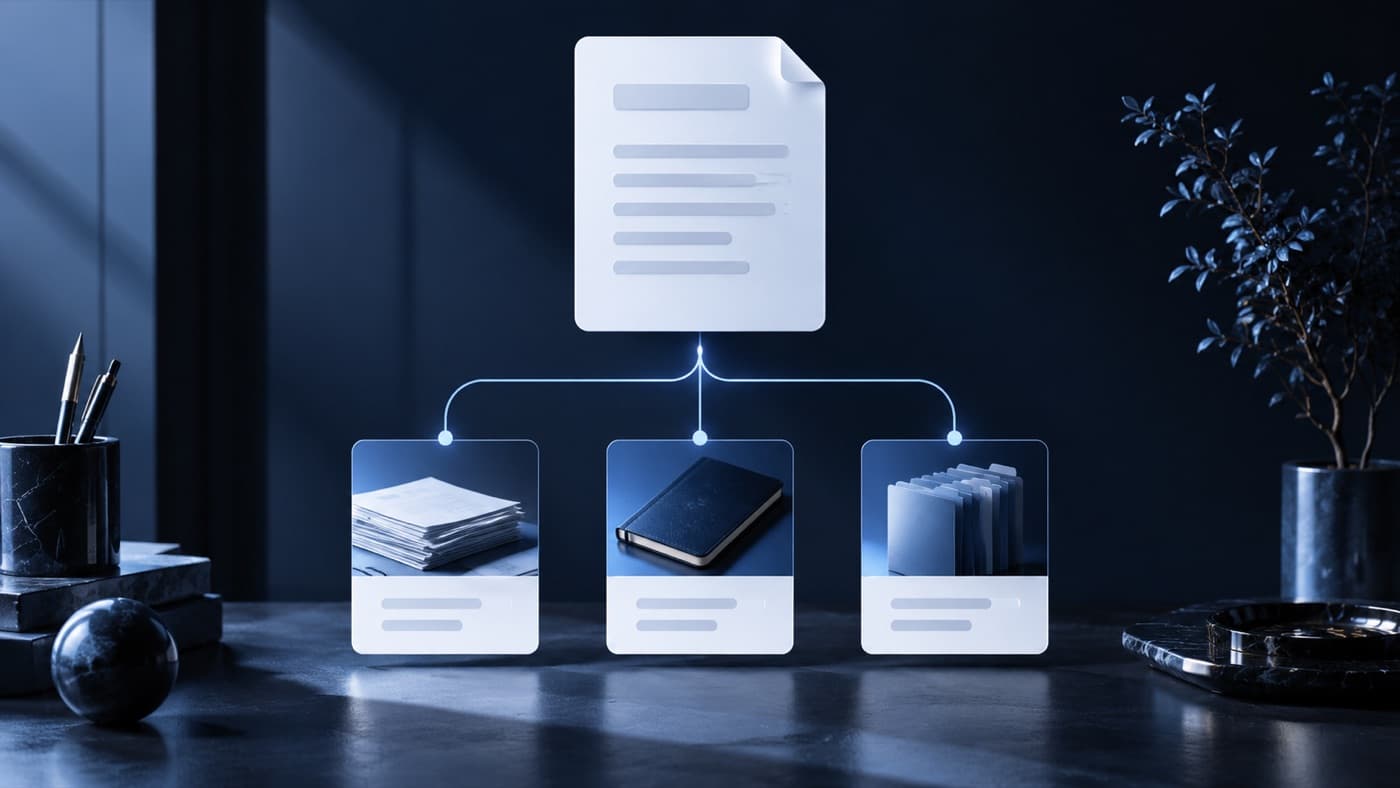
A framework can make preparation easier to navigate. It becomes a problem when officers reuse factual language that does not describe their own encounter. Standardize the organization, not the observation.
Keep headings reusable
Case identification, context, observations and subsequent contact can be useful headings. They remind you what to check. They should not imply that every case contains the same measurement, statement or sequence.
Leave unsupported fields unresolved
If a template asks for distance or weather and your sources do not establish it, do not choose a typical value. Remove an irrelevant field or flag the question according to your preparation process. A blank space is not evidence.
Use your own language
Prefer a clear account of what you actually saw over polished boilerplate. Explain abbreviations and avoid wording that makes an inference sound like a direct observation. Do not copy another officer's account simply because the legal charge is similar.
Preserve source distinctions
Keep personal recollection, contemporaneous notes and later record information identifiable. Follow applicable requirements for preparing and using documents. A structure is a review aid, not a ruling on what a court may consider.
Check the exact reference
Keep the jurisdiction, law label and subsection specific to this matter. Verify important entries through official sources and the code-lookup workflow. A familiar heading or shorthand does not prove that a reference applies.
Review for accidental copy-over
Look closely at names, dates, locations and vehicle information after adapting a format. Read the whole draft after editing. The review checklist helps keep formatting and fact-checking separate. NinetySix provides editable preparation drafts; the officer remains responsible for the final account.
Use the workflow in NinetySix
NinetySix is available directly on the web and on iPhone. Explore this NinetySix workflow, use NinetySix online, or review current plans. Follow agency requirements for the information you enter, and check your draft against your original records before use.